Who doesn’t like a quest in life. Years of shooting film can makes you see and document in a certain way. It has a slowness and chore to the process, but that is the appeal. You put up with old gear, impurities and delayed results. Film right…
I see things different when I have a camera with limited shots than with my digital camera. I love loading the film and processing it after the roll is done.
So, with that love and shooting style, why wouldn’t you want that experience from a digital camera? In one of my previous stories, I covered the most cost effective way to shoot film today, but sometimes it is still too much. Sometimes you just need a digital camera.
Over the years, some camera experiences have come close. Epson released a digital rangefinder over 20 years ago that required you to advance the lever just like a film camera to reset the shutter to continue shooting. Imagine if they gave us a 2nd or 3rd version of that camera with more modern technology or even a bigger sensor? Kickstarter anyone?
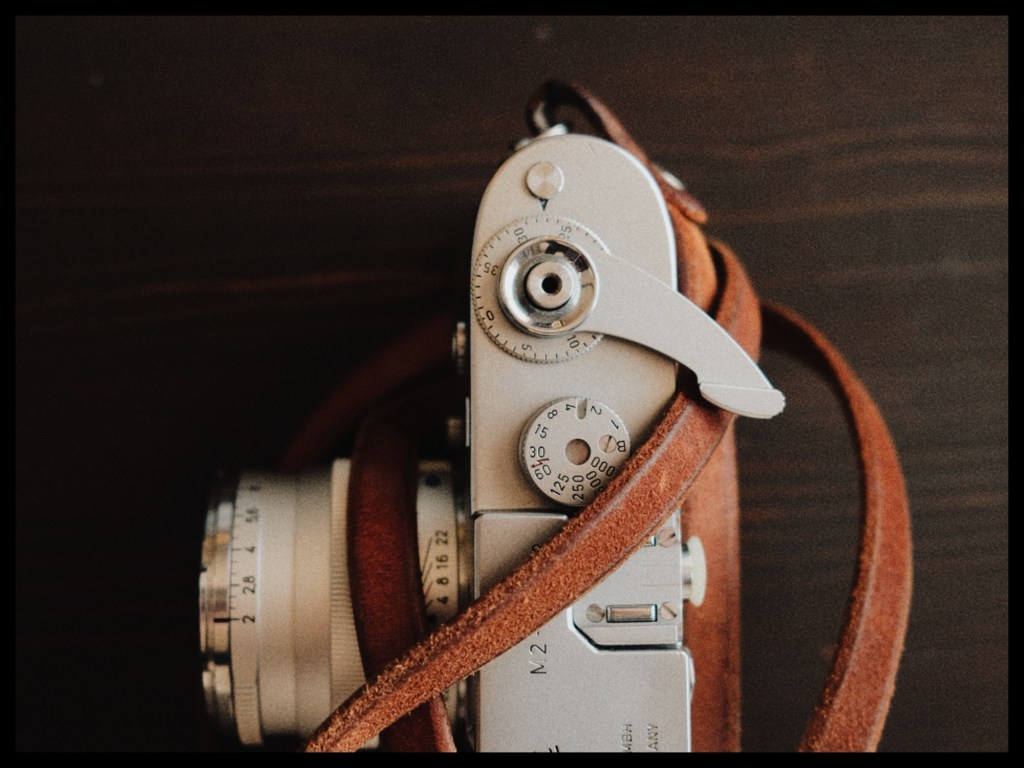
Leica has always kept close to their roots releasing their digital cameras in the same desired rangefinder body style and dimensions making it a seamless shooting experience from their 35mm to digital M’s. They have even gone as far as releasing special edition bodies without a screen on the back. The M10-D version even had an advance lever thumb grip that nearly looks identical to an MP advance lever. Alas, it was only a thumb rest. Too bad this wasn’t our epson RD1 successor though. So so close.
Oh right. One thing to mention about these editions… you may need a second job to afford one.
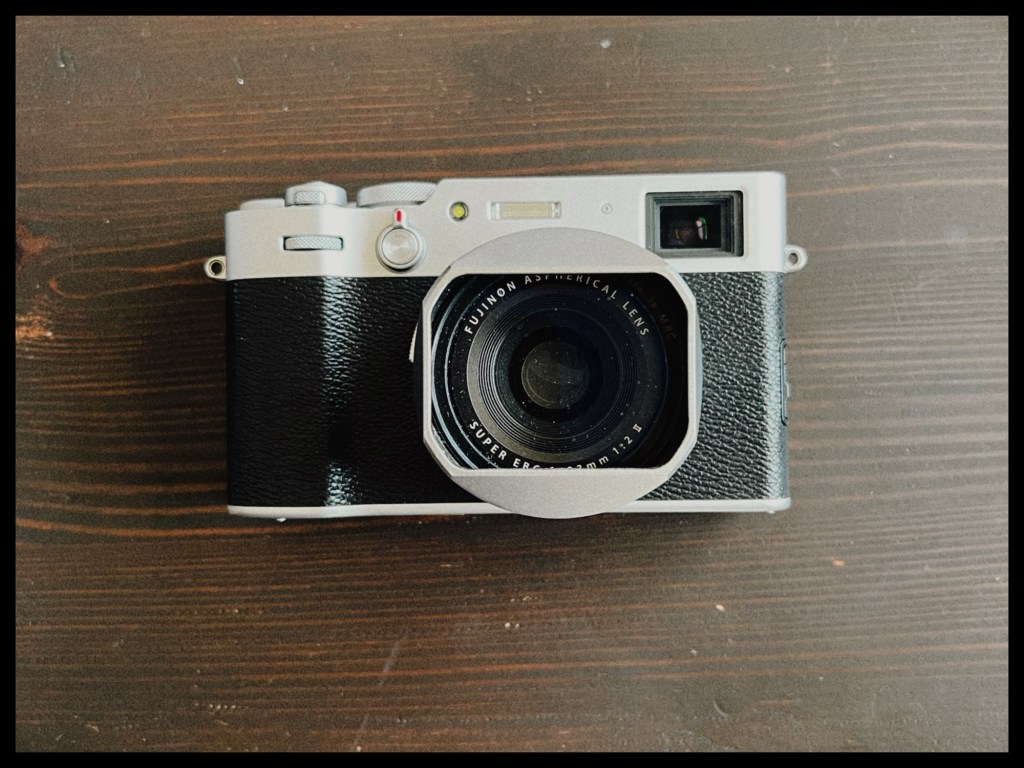
Fujifilm stepped into this game later than its friends, but came with a splash. The x100 was the first semi affordable digital solution with the retro camera body. They aimed this right at the heartstrings of those who love their film cameras and 15 years later, haven’t stopped that momentum. The whole X line has been aimed at the retro crowd who have migrated to the digital world. The cameras come packed with dials mimicking film cameras giving you the core options you love from shooting film. Each camera is also loaded with their Fujifilm color science mimicking their famous films they perfected, but may no longer produce. The x pro 3 has a rear flip screen that even boosts a small “film” readout on the back. Patiently waiting years now, the x pro 4 is supposed to build off this even more. Finally, their most recent release was a digital half frame camera with a “film” mode requiring you to shoot your whole “roll” before it allows you to review the photos. They even borrowed the advance lever design in this mode. Unfortunately, this camera is expensive and very cheap feeling with a small sensor.
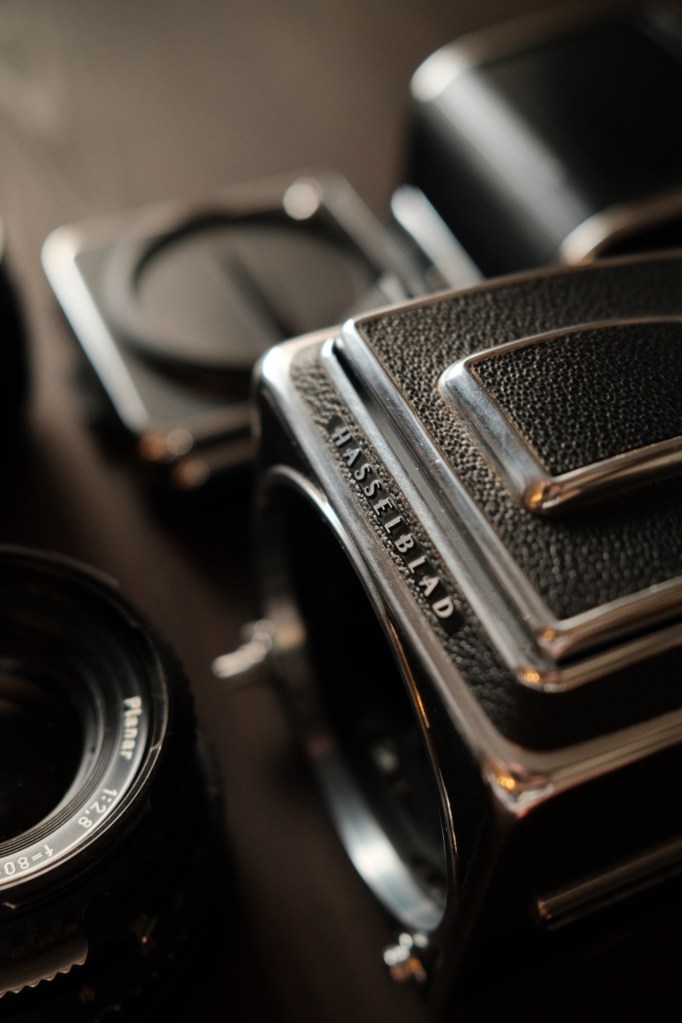
There is nothing more pure than having a fully mechanical box with a piece of glass attached to it where you control the whole experience. The focus, the loading, the exposure, the advancing to the next frame, the clicks of the aperture, the clunk of the shutter, the whir of the advance. The constant assurance of checking your frame counter as you go. It is a full sensory experience. Why wouldn’t we want this for all of our photographic experiences? Film or digital.
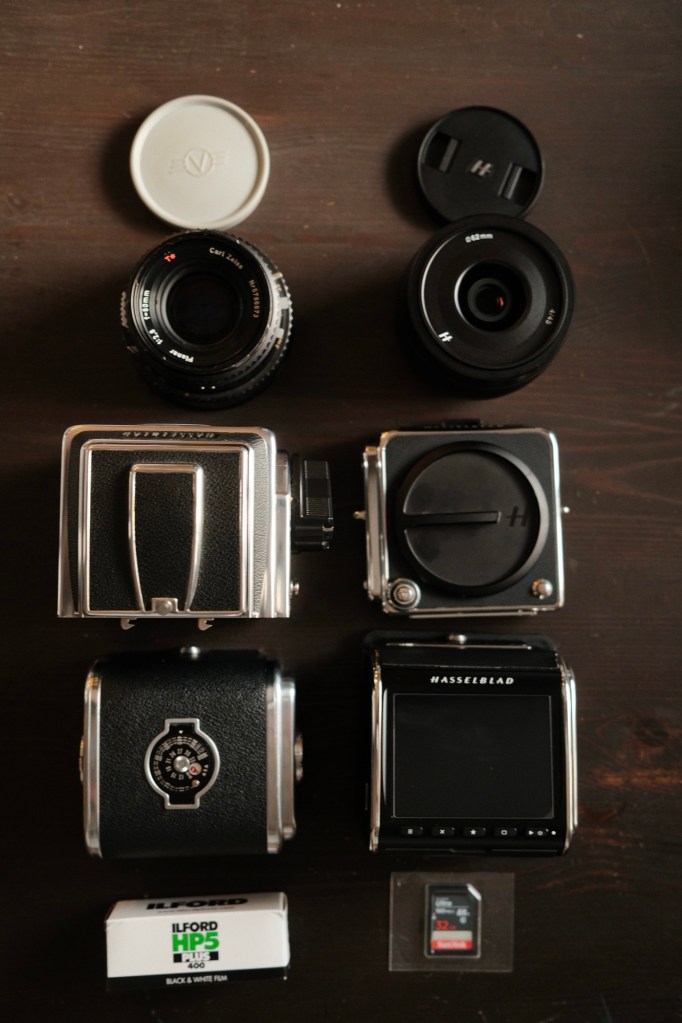
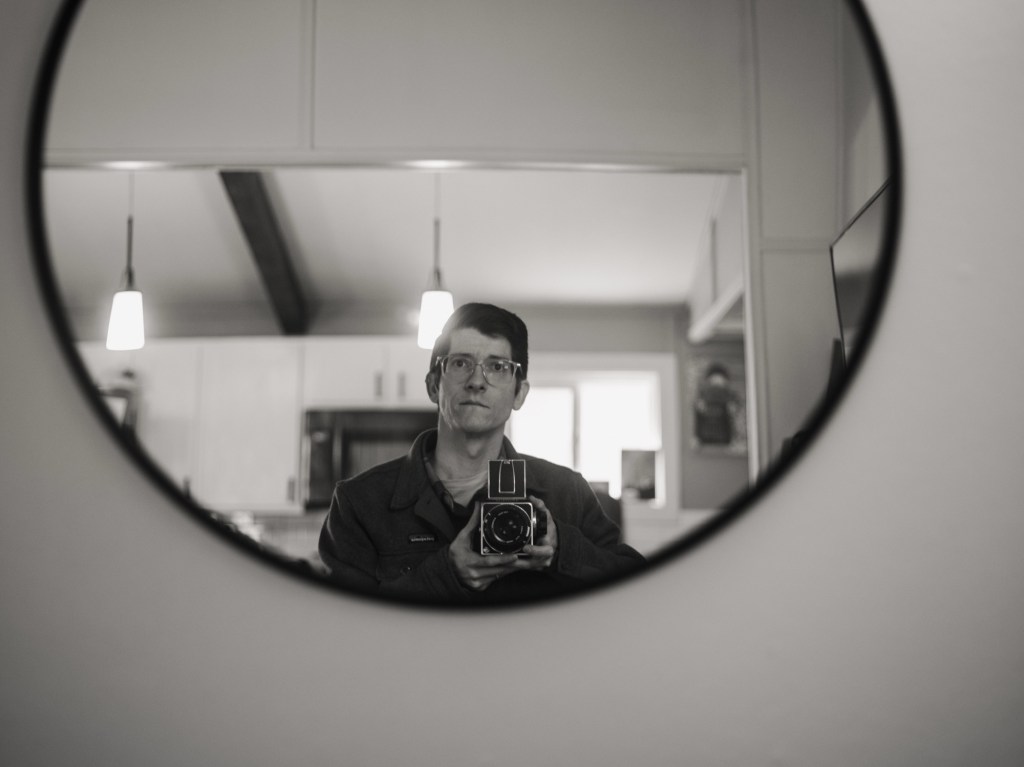
Enter the Hasselblad.
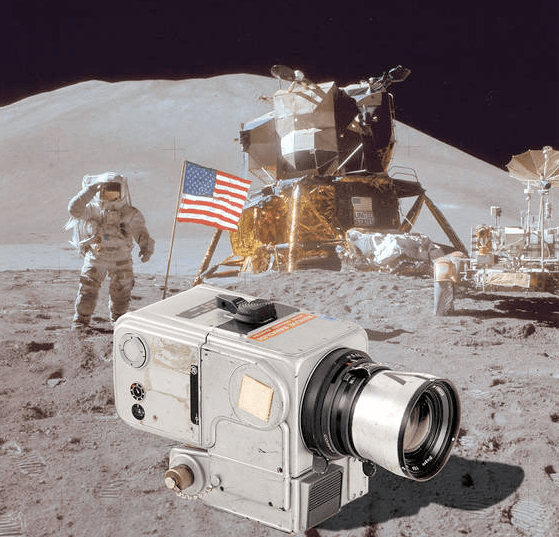
Famously known for the camera put on the moon, these square boxes have been creating magic for over 80 years. Their newer film bodies moved to a 645 format, but their fame came with the 6×6 square negative and the 500 series bodies.

Known as a film camera company, they are newer to the digital camera realm. With that reputation, they were able to create their own path and came out of the gate keeping to their heritage of medium format. The hasselblads were a much smaller profile camera bodies than others on the market and boosted full metal bodies with very familiar designs to their film cameras.
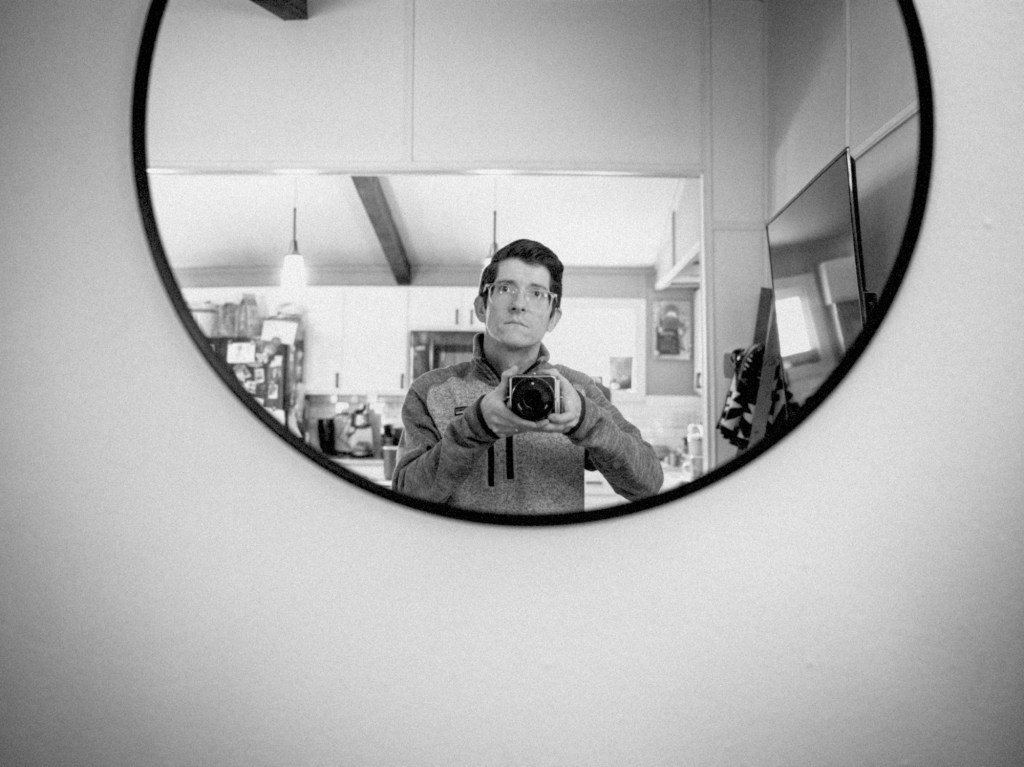
Already known for their ability to put digital backs on the HD series 645 bodies, Hasselblad went retro and launched the 907x which is essentially a digital lens adapter to the CFV digital backs. This would allow it to be a stand alone camera with a modern autofocus lens, or you could take the back and put it right onto a 500 series film body. Mind blown.
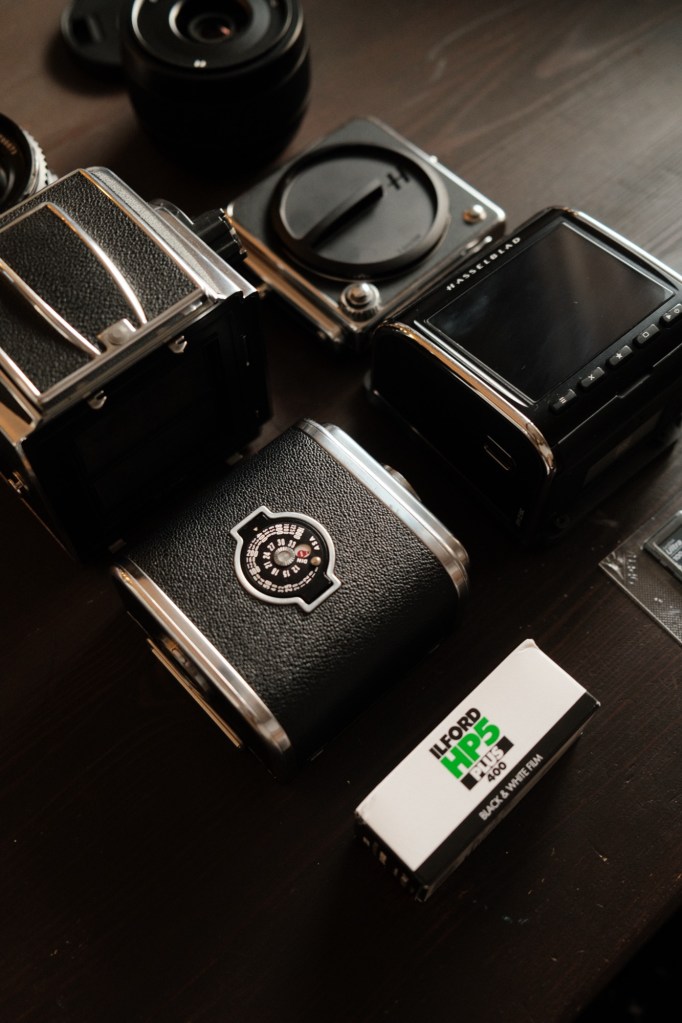
Hasselblad made this a seamless option with all the same camera lines matching to make it look like it was made for it right out of the factory.
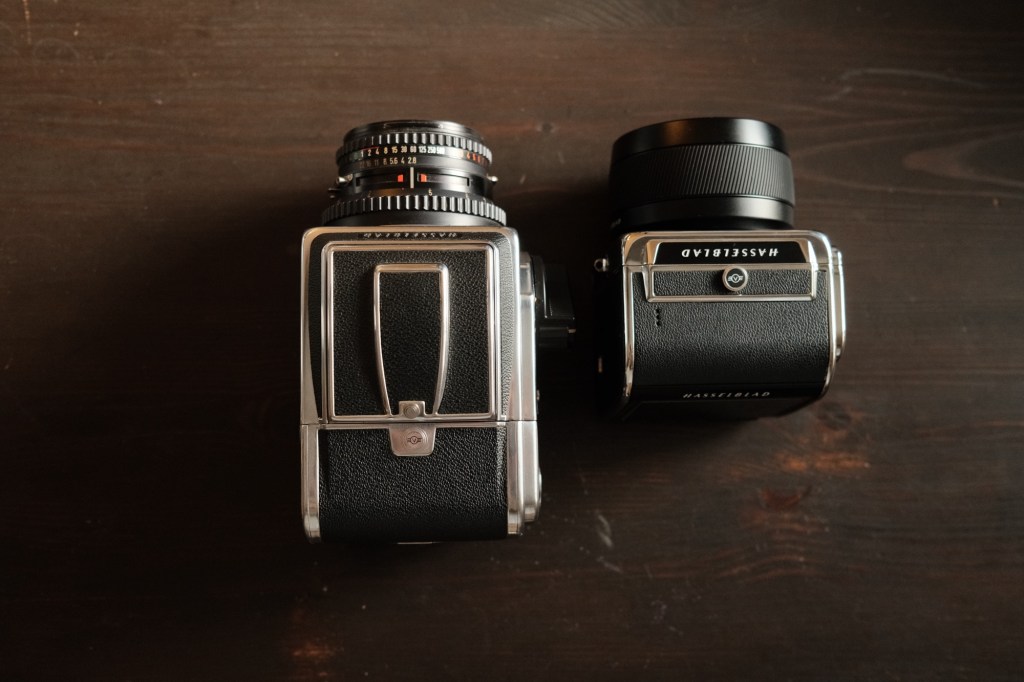
The CFV back gives you the same shooting experience as using the 500 series with a film back. It is the same waist level viewing and focus, same thwomp of the shutter, the same advance of frame to be able to snap another frame. Pure. Simple. The only difference is you can select review on the CFV back to review your image. The digital image is a 4:3 size vs the 6×6 native, but it works well.
Finally, a digital experience that’s soul is film.
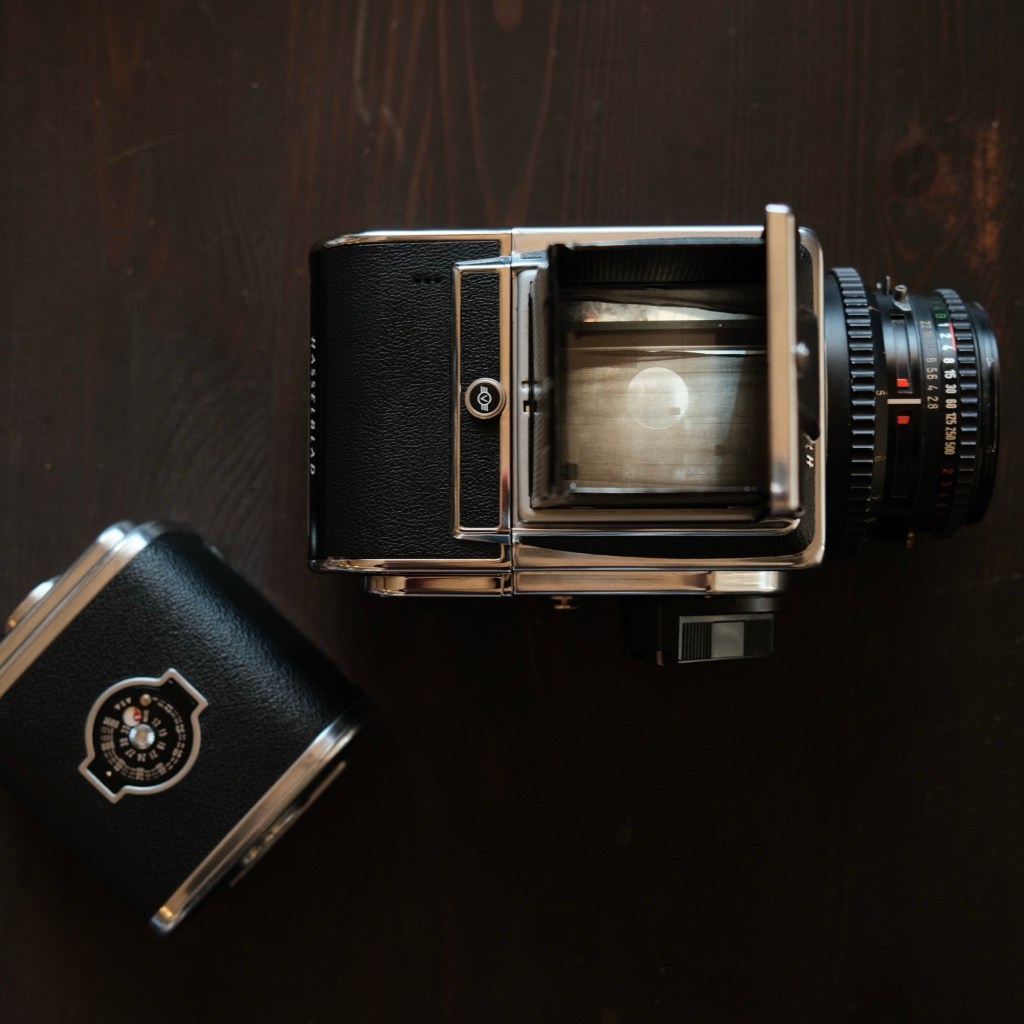
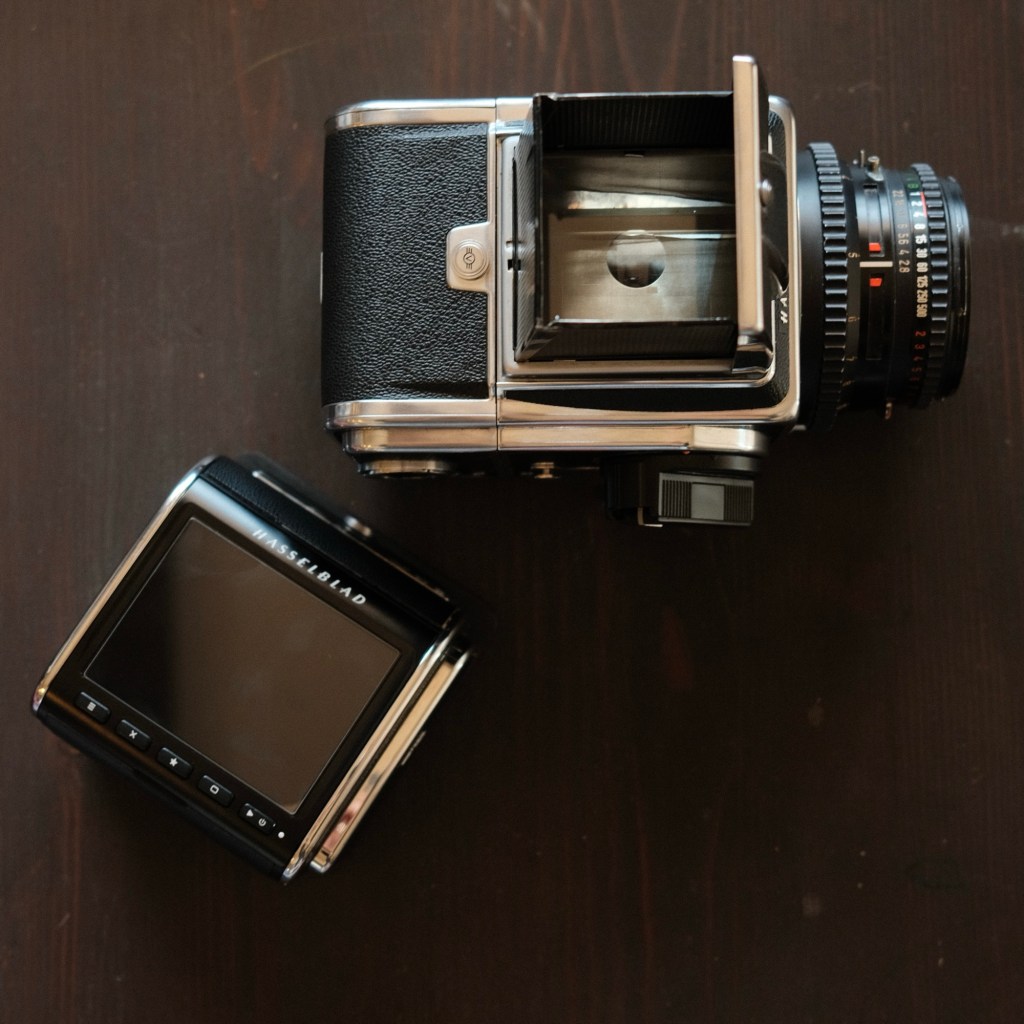
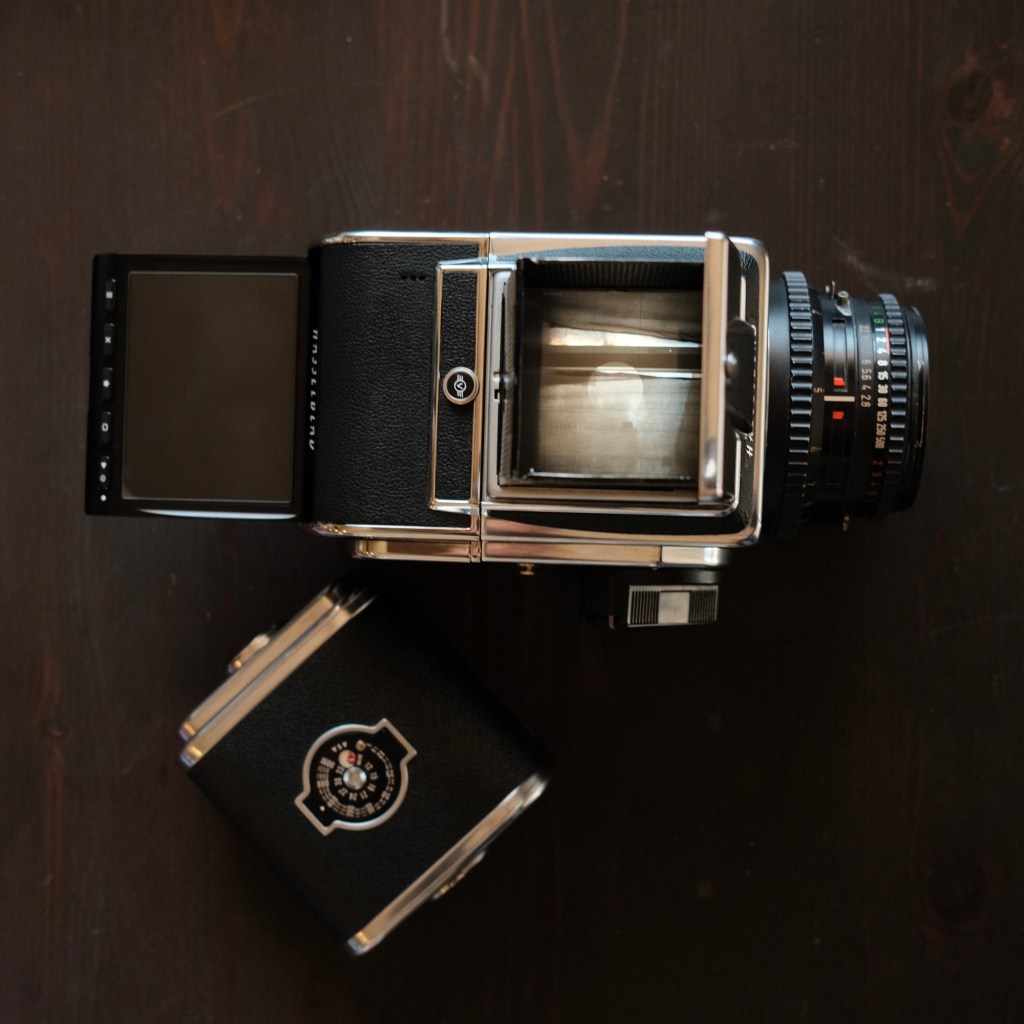
You have to admire companies that take risks. Sometimes the risk is just sticking to what works.
There has been so many crowdfunding campaigns aimed at reviving old film cameras for modern use. The demand is there, but the execution has never followed. Hasselblad knew they have a steady following and trusted their products as most are still usable today. Instead of making them switch systems fully, they gave them one more option for their existing kit. A risk few companies would take. Hats off to them.
Photography at its purest form.
That is enough gear talk for one day. It is time to go out and photograph.
 Where We Are.
Leave a comment