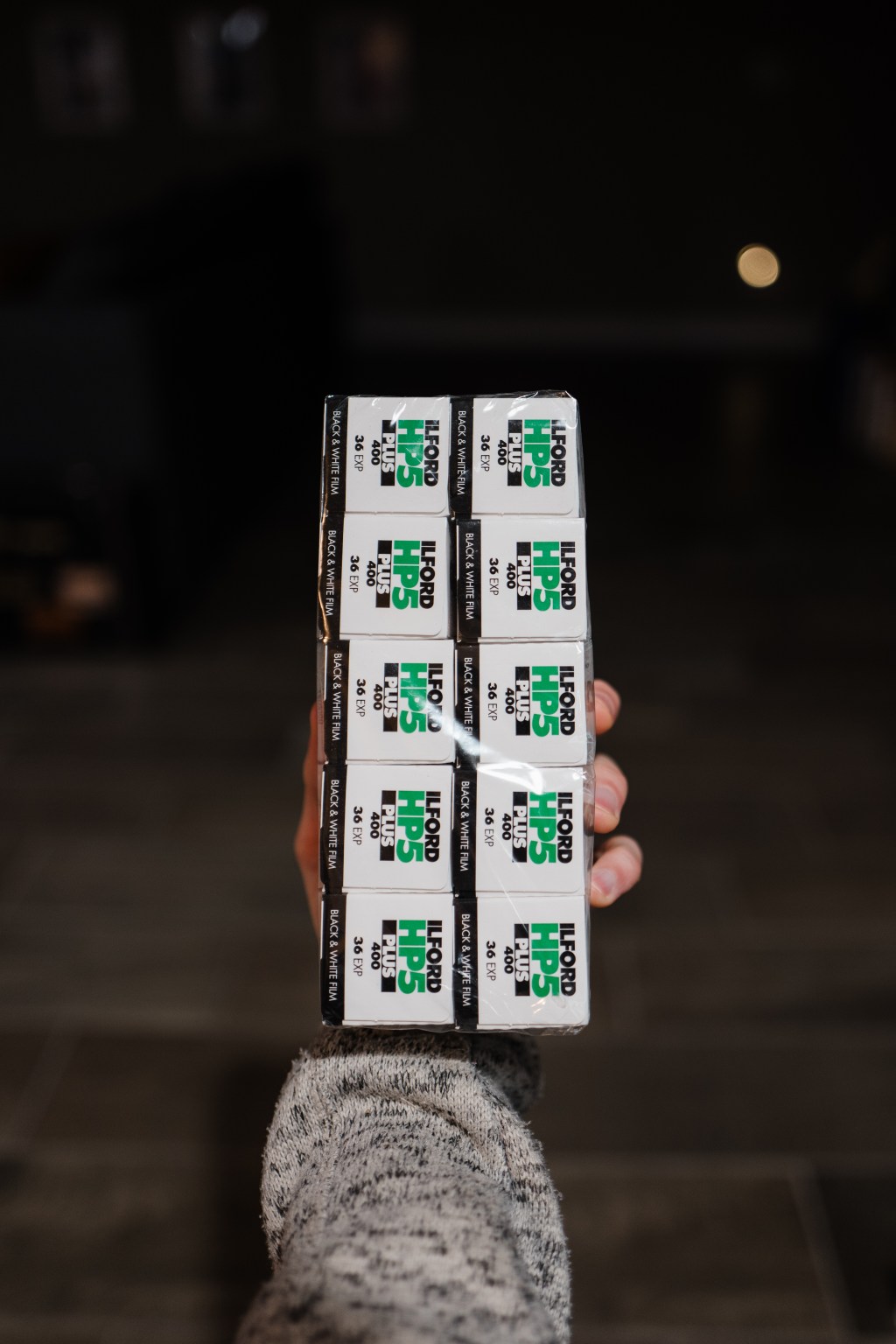
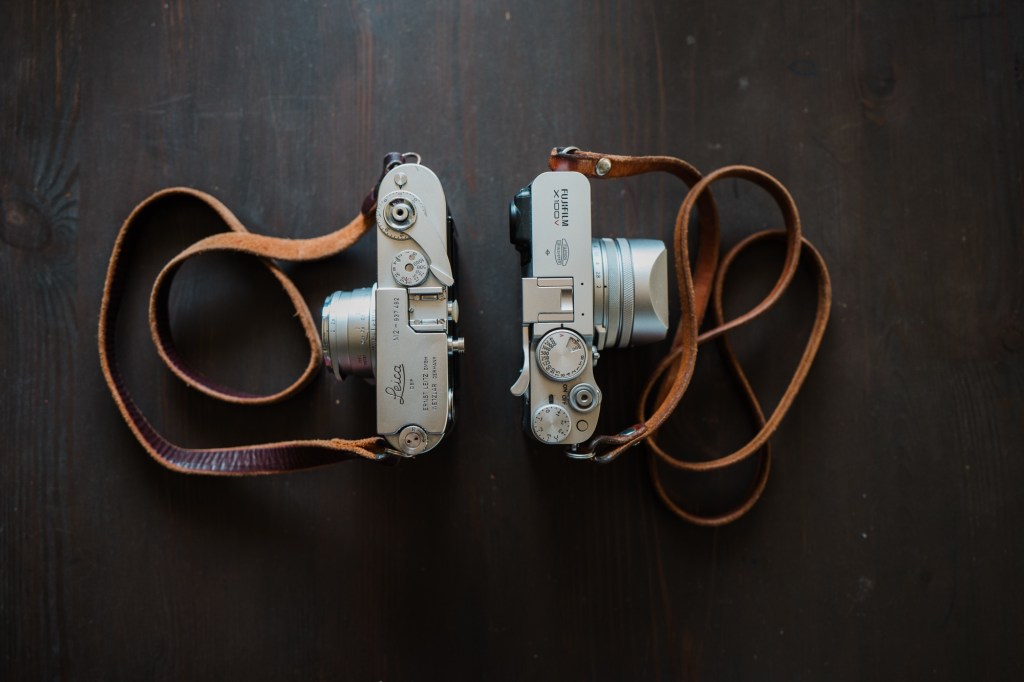
That little voice is always there speaking in my ear. On one shoulder, my film camera, on the other a digital. Digital is safe. No other way to put it. I could shoot digital until the end of time and no one would know the difference, or care, but me. So why do I still shoot film in 2025? My answer is not the usual poetic waxing that you normally expect with this question.
My reason for film: the workflow
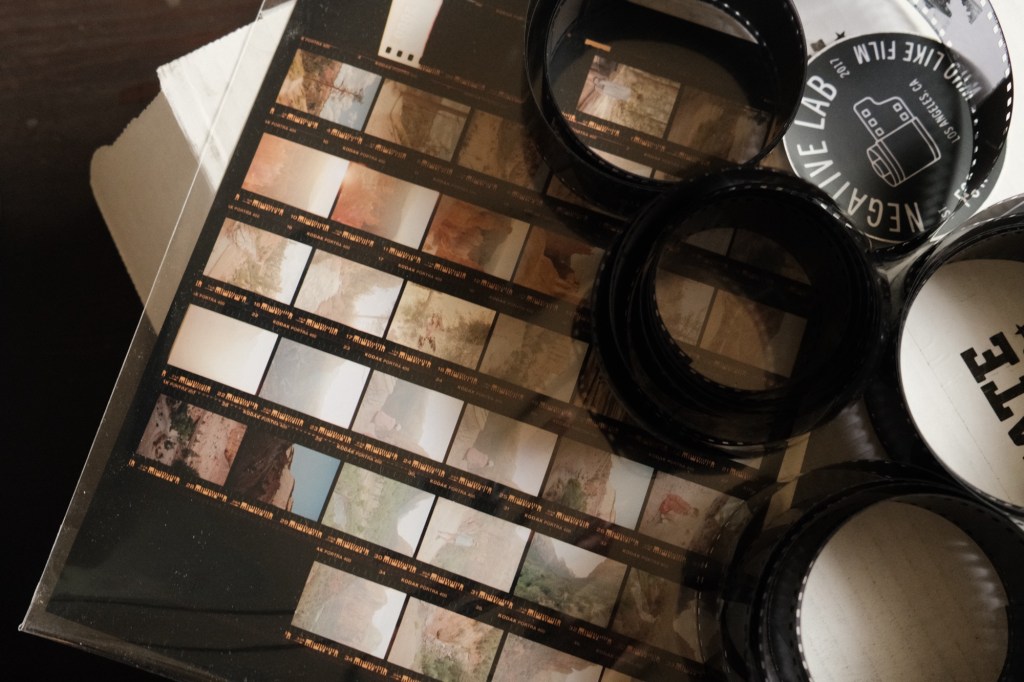
I love the feel of a film camera. I love the process of winding for each shot and crave the slight click my M makes when you press the shutter then the winding of the gears as you advance the next frame. I love pulling the negatives out and seeing your photo come to life. You truly complete the process of creation from start to finish. All that being said, I would forfeit all of that for price, but the main factor for me is simple, I actually do something with my negatives vs a card full of digital files. The fact of having the physical negative, needing to scan / sleeve these and be able to look at the images through a loop and open my binder to reference previous rolls, that is priceless to me. That act of reviewing frames and seeing the images is all worth it. I have not been able to mimic this process in a digital archive. Therefore, I have so many images that just sit on a hard drive that will never see the light of day again. This is a me problem, not a digital problem.
Film is not cheap :
For the price of one roll of film, I can get a memory card that will hold 100x more photos and is reusable for years. You already know this though. The price of film has tripled in the last 10 years and does not appear to be slowing down in that climb. So how do you shoot film today in the most budget friendly way? That is what we are going to explore.
(Quick disclaimer, this is all regarding 35mm film and not 120. That would vary these prices and we are discussing value proposition)
The lab:
The average lab cost for c41 color today in the USA is roughly $14 for a basic develop and scan to over $30 a roll for high quality adjusted images. If you take into account one roll of porta 400 costing $18, shipping being at least $7 to the lab, the cost of the develop / scan (splitting hairs at $20 for this), we are looking at each frame on your 36 count roll being worth roughly $1.50. By shooting something like Kodak gold which averages $8 a roll, you can cut this cost down to $1.00 a frame. If we ran these figures with b&w, the costs would increase. Another item to note that plays into lab costs, they need to ship your film back to you. You can opt to have them destroyed (this should be illegal) or it will cost you an additional $10 for return shipping.
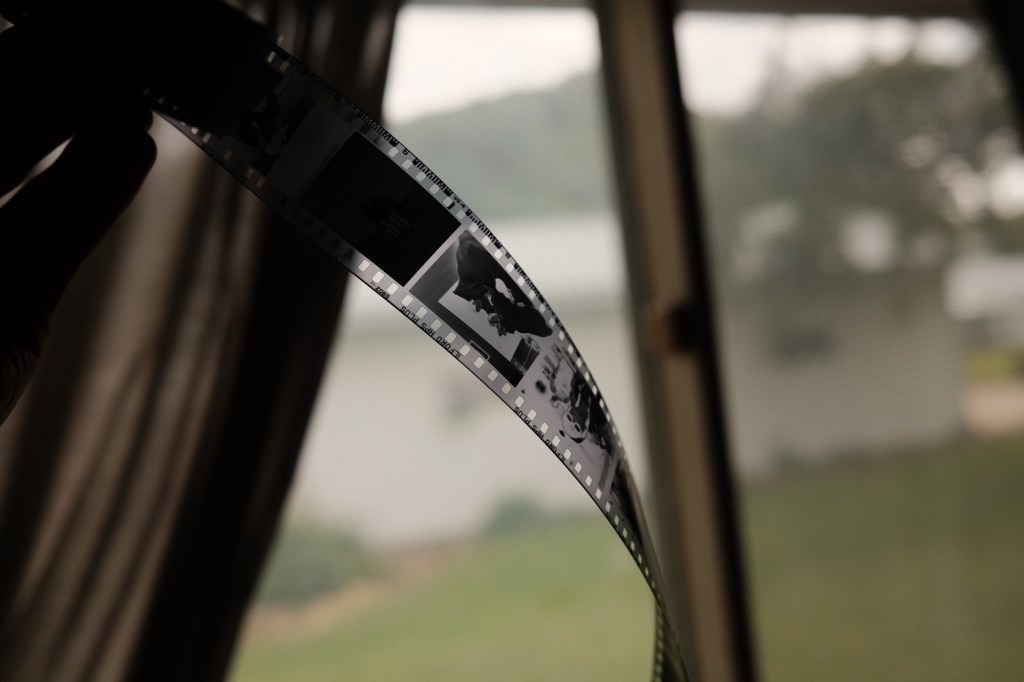
Monochrome: The home developers
The history of photography is etched in the emulsion of black and white film. That is one of my favorite lines from an interview with Ralph Gibson on the Candid Frame podcast some years ago
Home developing is going to be the best return on your money, but the downside is time. If you are a casual film shooter, this may not be the method for you as the up front costs are higher (hopefully you found what you needed at a garage sale), but over time, it will lower costs. I am going to use the example of supplies I just ordered. A bottle of Ilford ilfosol 3 – $22, a bottle of photoformula TF-5 fixer – $15, a gallon of distilled water, $1.00. The fixer can last up until a year as it’s reusable, but the developer will yield me about 20 / 25 rolls. Tf-5 only requires water as a stop bath, so this is further money saved. That is $37 worth of chemicals (minus replenishing your distilled water) and using tri-x as an example of $9.00 a roll of 36 exposure, for $225 worth of film to get 25 rolls. That is $262 worth of supplies making each rolls cost $10.50, dividing this by 36 frames on a roll, that equates to $0.30 a frame. That is a huge change from the $1.00 to $1.50 an image at a lab.
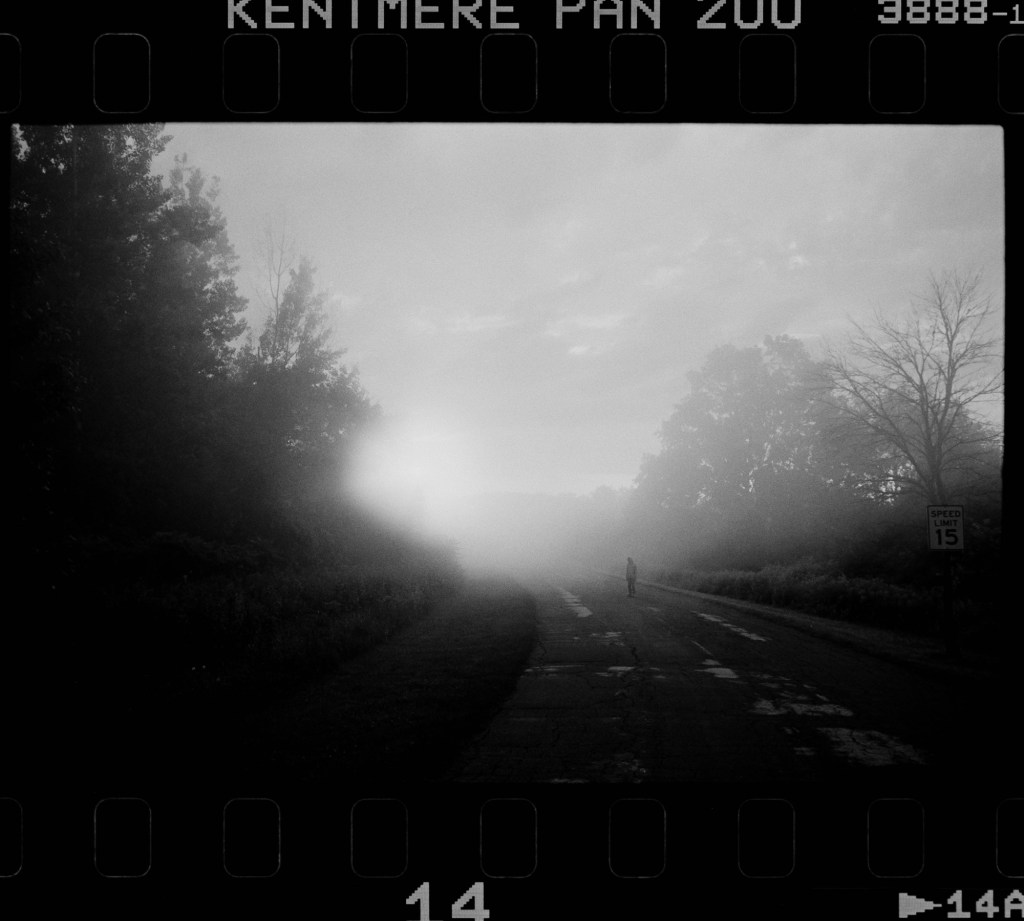
Bulk rolling drops this per image price even further. A 100ft roll of Kentmere 200 costs $99 and TX400 will run you $160, but allow you to have 18 rolls of 36 frames at that price. The process per image for a shot of Kentmere pan 200 is $0.20. That my friends, is nearly the best value you can get shooting film in 2025 at a sustainable level.
I do not develop my own color, so I do not have those figures.
To some of you, the $1.50 a roll is justifiable where to others, the $0.20 is still too high to justify film. That is A-okay as we are just exploring what is the most cost effective method to use film today.
Up front costs:
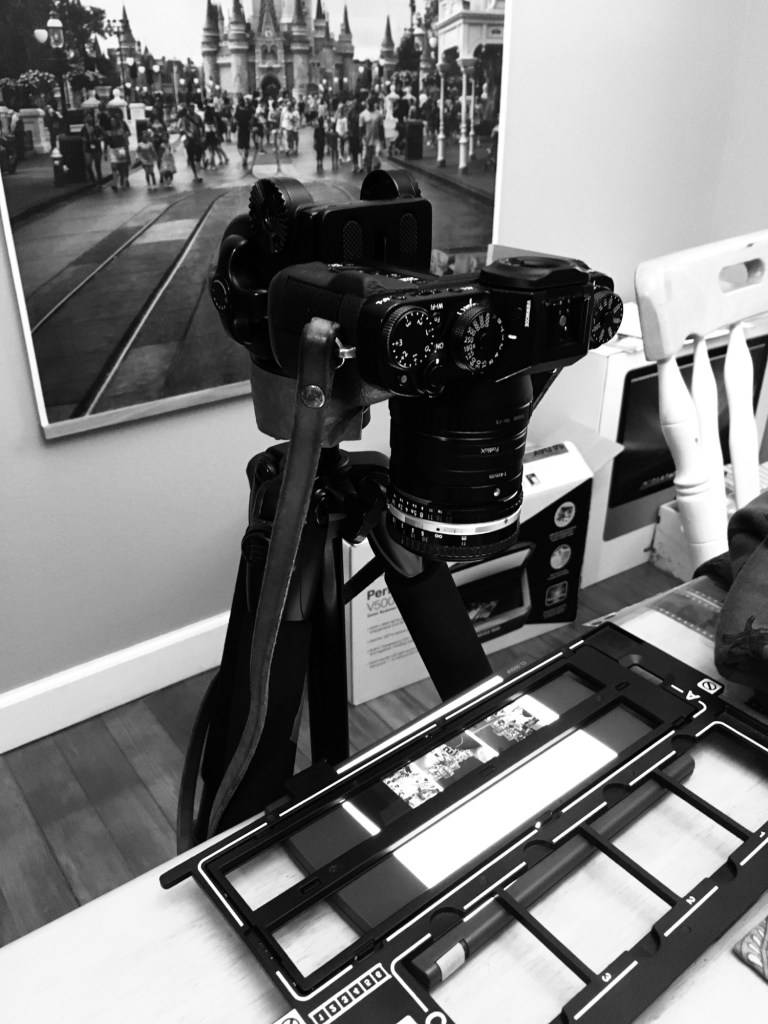
It is importantly to mention the up front costs to be able to develop and scan at home that are not factored into the “per frame” price. Developing at home requires space, the developing tank, changing bag, spools, beakers, chemical disposal, containers and lastly, a camera or flatbed to digitize the negatives. This part can be as glamorous or as simple as you need it to be to get the job done. I used a v600 Eason flatbed for years before switching to a mirror less camera and some extension tubes to make get a macro lens.
The good note is, you have full control of the process. Do you want full border scans? Sure! Like your images more contrasty? Go ahead!! You get to be in control of the final result.
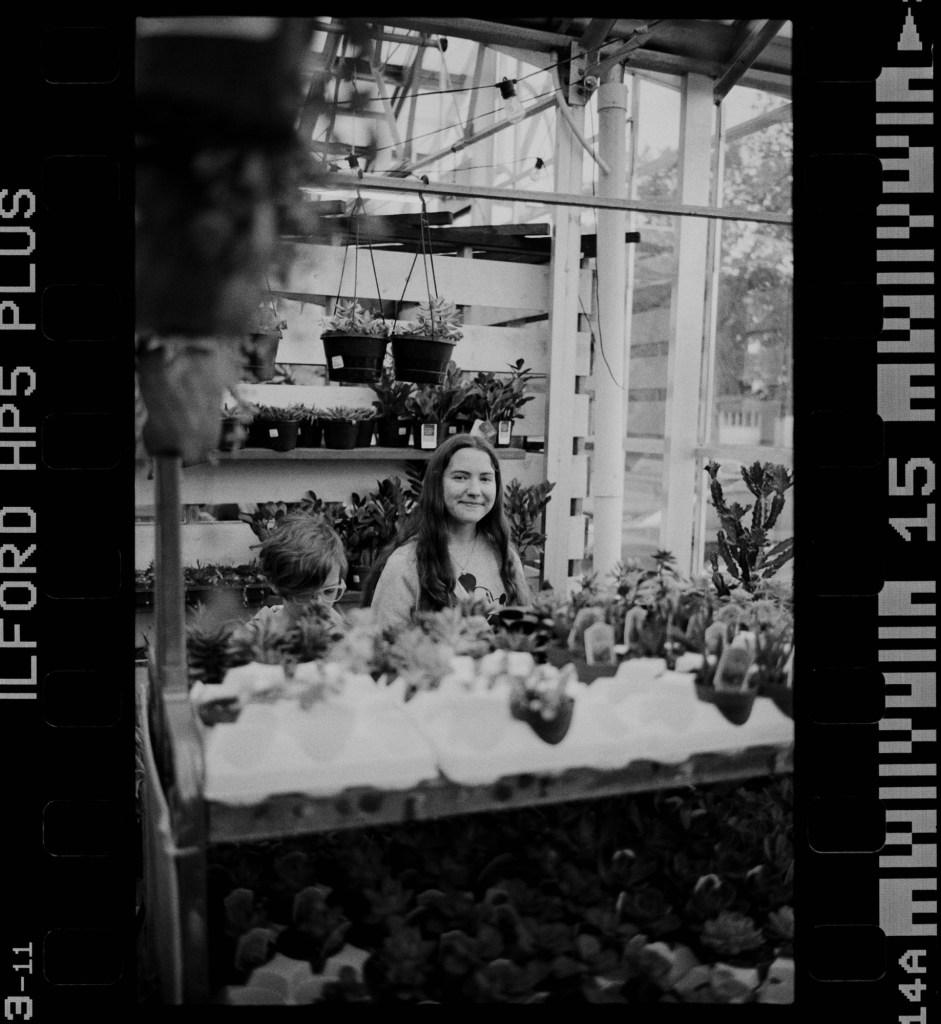
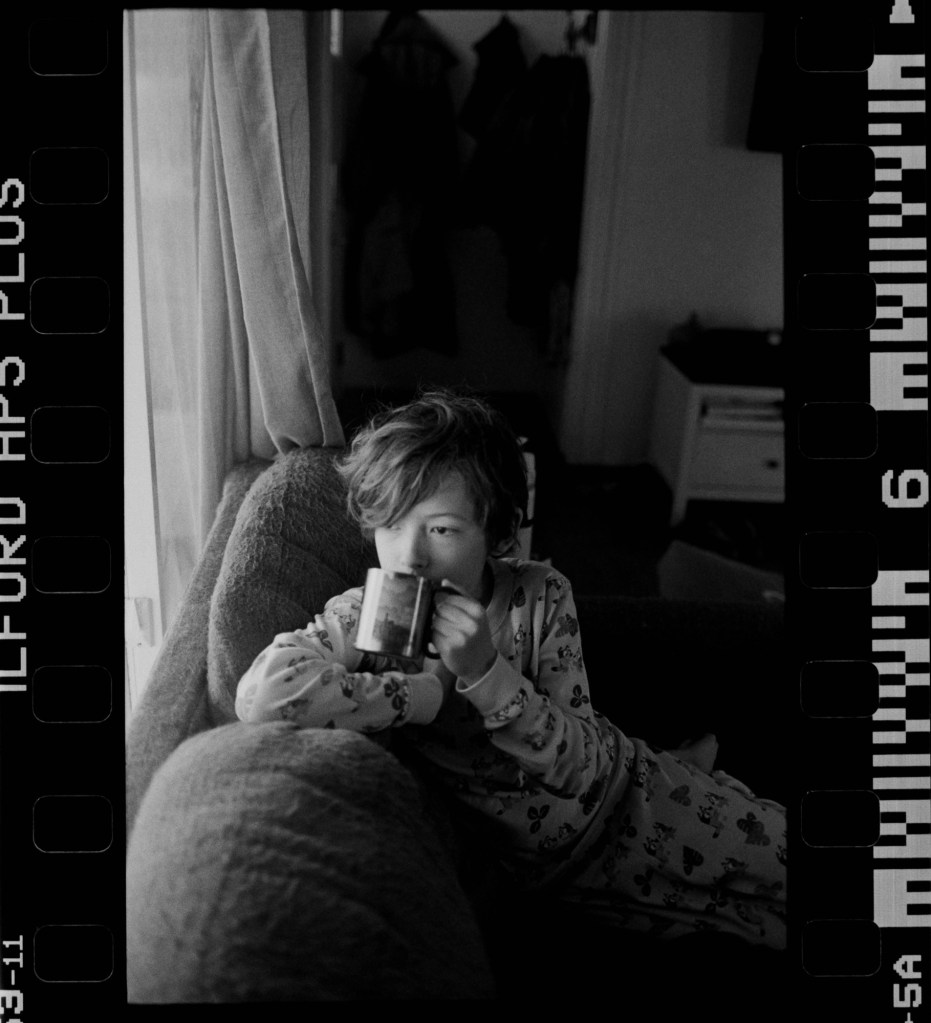
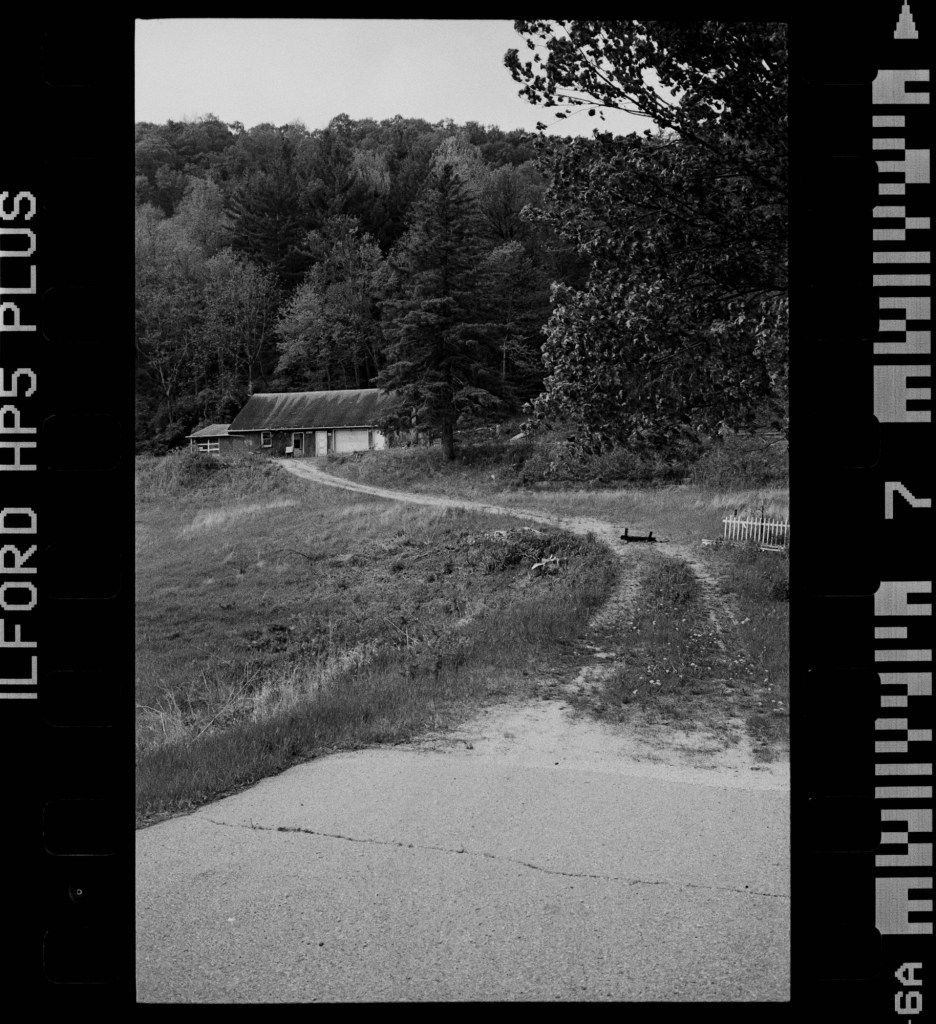
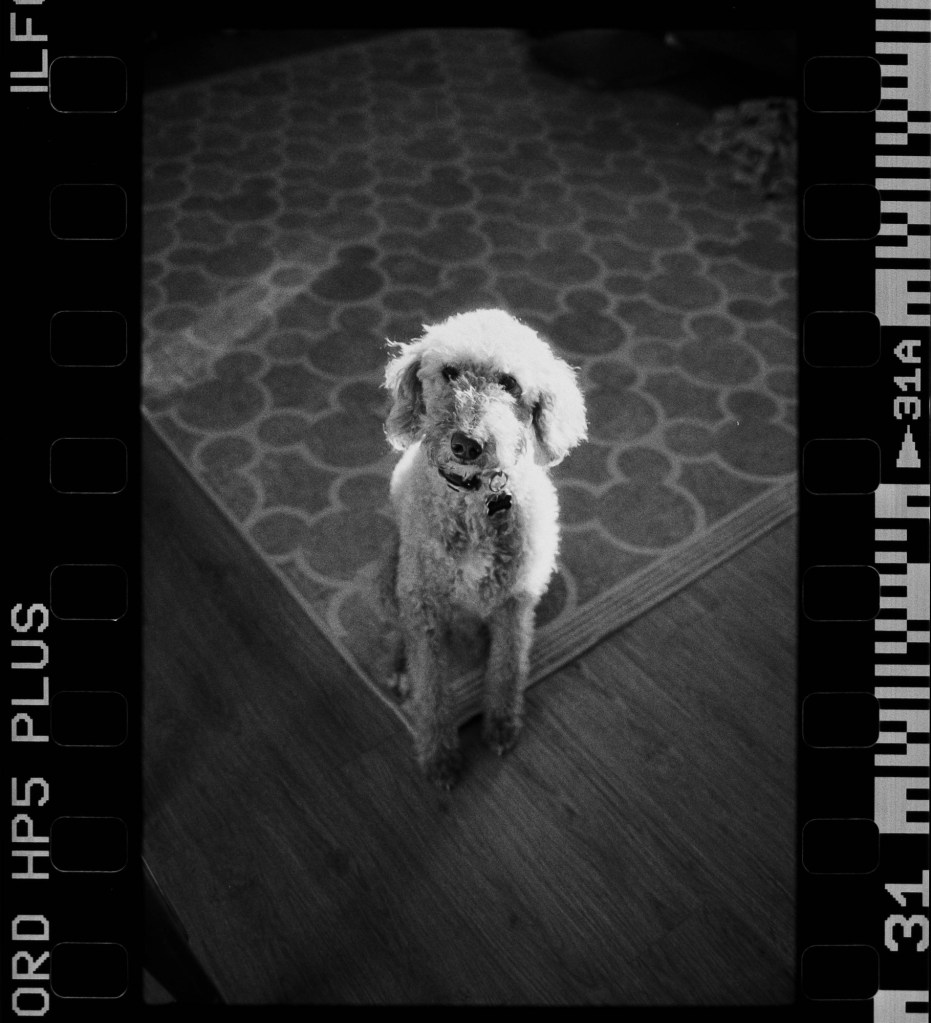
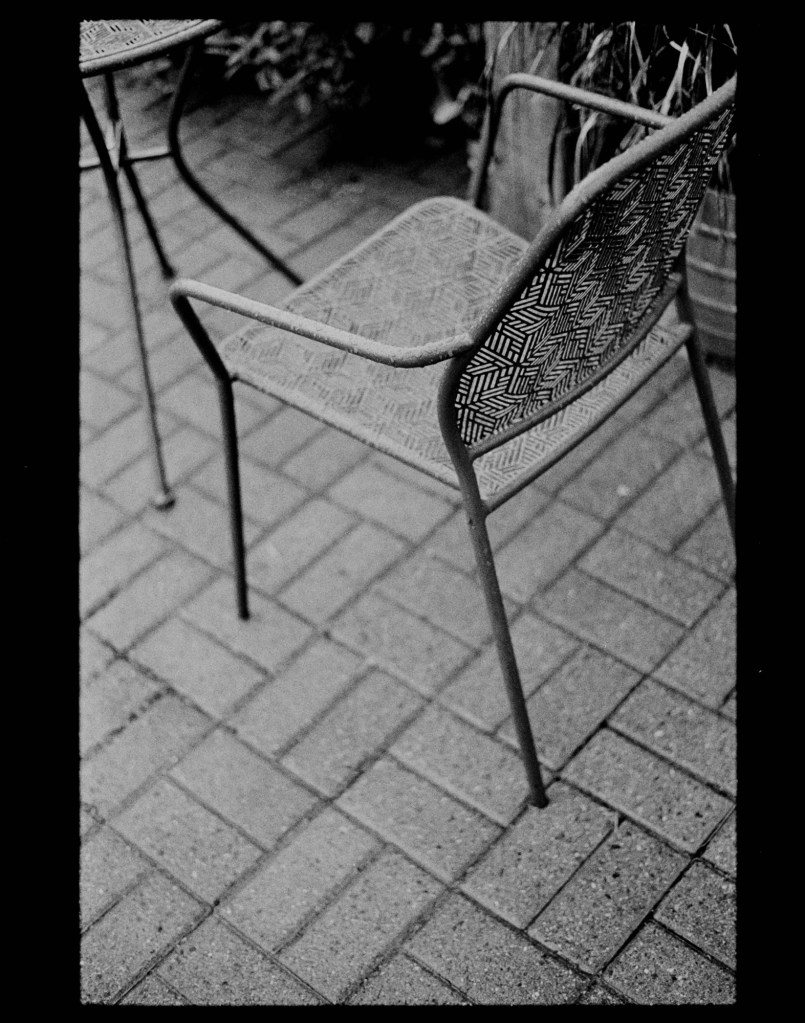
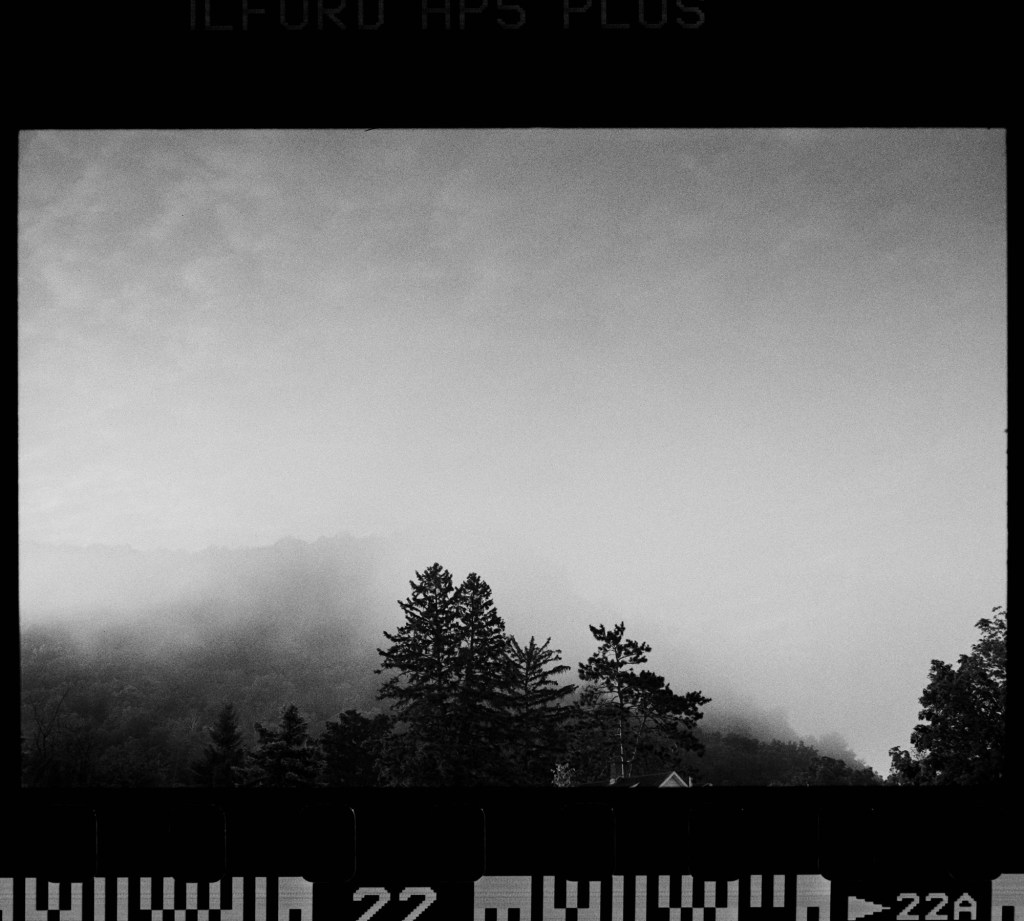
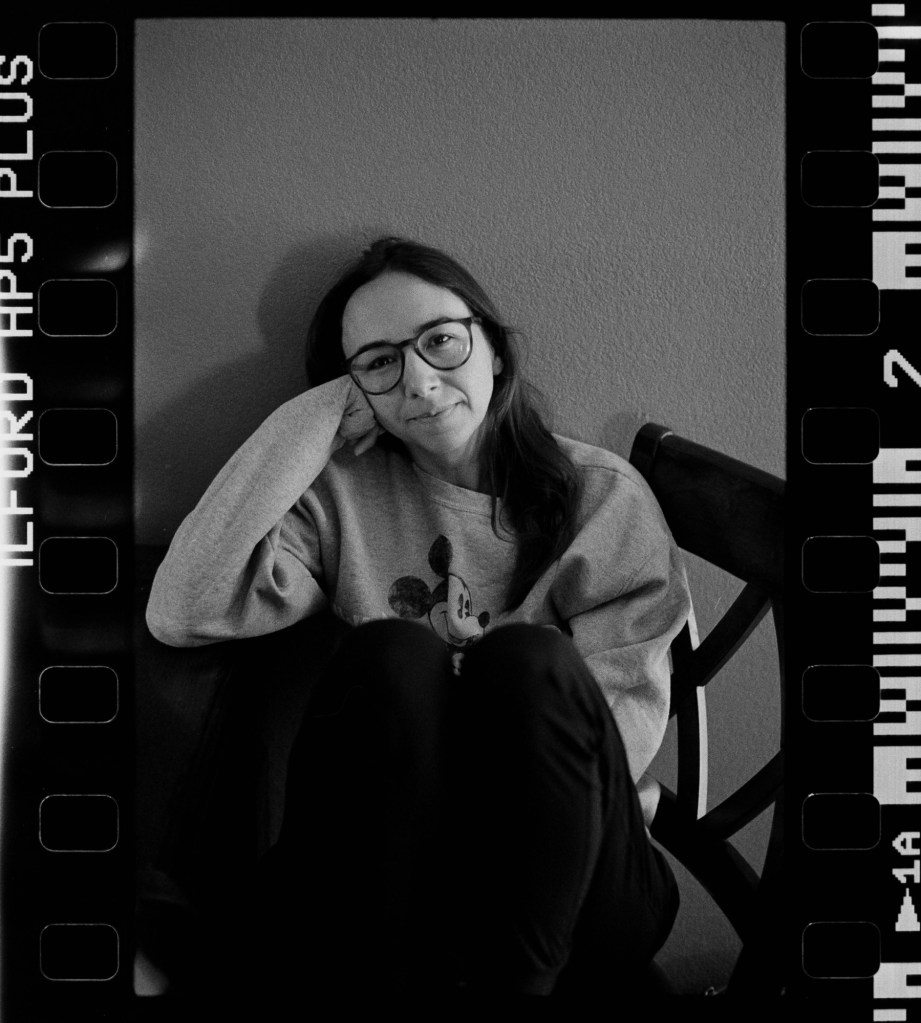
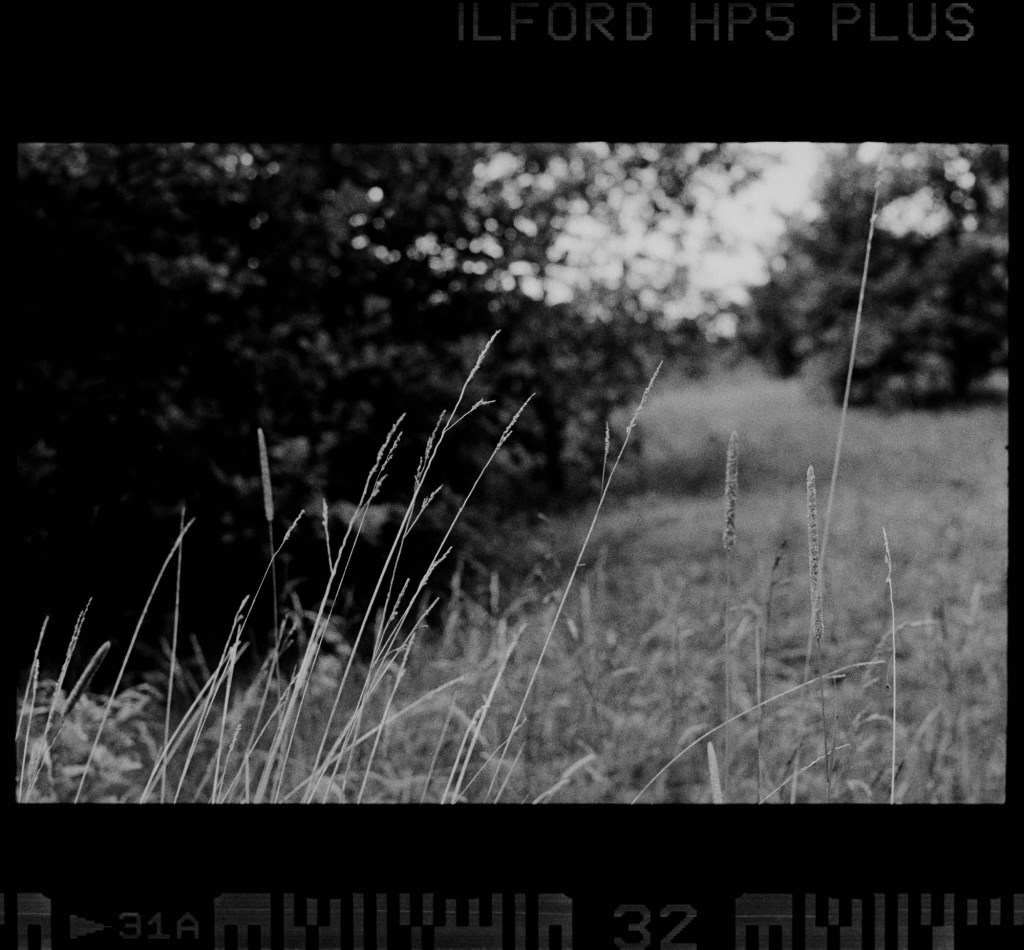
Recent favorites I have developed and scanned at home :
 Where We Are.
Leave a comment